How to care for your baby Canary
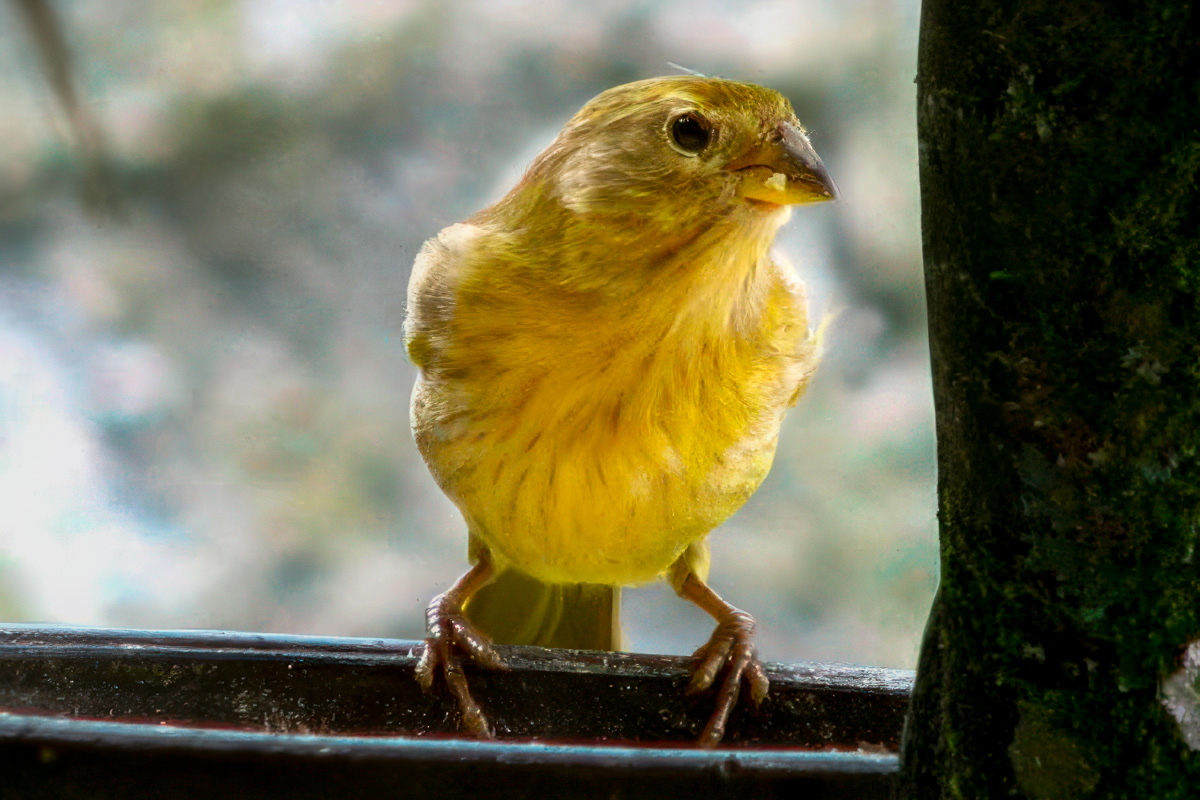
The Canaries are small birds that can be of various colors, although the most common color is yellow. These are domestic animals that are considered not social by many, so aside from the breeding season they should be probably be kept in separate cages. With bigger cages or an aviary, they might live together just fine.
The young of canaries remain in the care of their mother when they hatch from the egg. Below we will detail their growth and what advice we should follow to take care of baby canaries. Please make sure to provide a warm, safe place for the babies to be and make sure they have access to fresh water at all times.
Steps to follow:
1. Canaries are born essentially helpless, blind, and naked, with down on their heads and on their back. While they are newborns, the female is in charge of giving them warmth and taking care of them while the male has the duty of feeding the female during the time she remains with the young. It is best to leave them alone during this time.
2. During the first 2 to 3 days, the offspring still keep in their body remains of the food that was inside the yolk, the veil that covers the fetus inside the egg with food so that it grows. That is why they may not need anything to eat.
3. During the growing season it is necessary to keep the parents fed with seeds, fruits, vegetables or plenty of pellet food. Egg food is a must since they are in charge of feeding the chicks.
4. After the first 10 days the feathers will start to come out. Around 3 weeks of age, the young begin to leave the nest although they are not self-sufficient. During this period, they will practice their first jumps and begin their flight practice. They are still with the parent birds at this point.
5. Once we detect that the young are already eating alone (approximately a month and a half), we will move the canary clutch to a larger cage so that they can exercise their wings. During this period their diet will change, starting to eat what their parents eat. They may not know how to eat seeds yet.
6. Special attention must be paid when accessing the inside of the cage to clean and replace food or drink. Young canaries are skittish and may be injured if during a cage intervention they start to flutter uncontrollably. Handle them gently and with care.